IPTV Explained: How to Cut the Cord and Unlock a World of Content
If you're like me, you've more than once gotten frustrated about your ever-increasing cable or satellite bill. It's almost as if we're paying more for less, with bloated channel packages and long-term contracts that feel incredibly restrictive. This frustration has led countless consumers to look for alternatives, and one term you'll hear over and over again is IPTV. But what is all the fuss about? Is it the perfect solution for your entertainment woes? Let's explore this topic and separate the hype from the reality.
Understanding the Basics of IPTV
IPTV means “Internet Protocol Television.” In the simplest terms, it’s a method of delivering television content over the internet, as opposed to through traditional terrestrial, satellite, or cable formats. Think of it like this: traditional TV broadcasts send out signals, and your antenna or satellite dish catches them. The signal is sent out for anyone to receive. IPTV, on the other hand, works more like other streaming services you already use, such as Netflix or YouTube.
When you want to watch a specific show on an IPTV service, you effectively request that content from the provider's server. The server then delivers that single program directly to you through your internet connection. This client-server model is the reason for its flexibility. It's not a constant broadcast; you only receive the data for the channel you are tuned into. This key distinction is what allows for a much more personalized and feature-rich viewing experience.
The Good, The Bad, and The Complicated: Pros & Cons
As with every service, IPTV has its own set of benefits and drawbacks. Before you jump in, it's vitally necessary to understand both sides of the coin. In my experience, knowing what to expect is the key to being happy with your choice.
The Upsides: Why People Are Making the Switch
Let's start with the positives, because there are certainly a lot.
- Incredible Variety of Content: This is often the biggest draw for many users. A typical IPTV service can offer an enormous library of channels from all over the world, easily dwarfing what any standard cable package provides.
- A Budget-Friendly Alternative: In most cases, an IPTV subscription is significantly less expensive than a comparable cable or satellite package. You typically have access to more channels for a fraction of the price.
- Built-in VOD Libraries: Many IPTV providers also include massive VOD libraries, letting you watch thousands of movies and TV series, similar to Netflix or Hulu.
- Watch Anywhere, Anytime: As it uses your internet connection, you can watch IPTV on a plethora of gadgets, from your smart TV and computer to your smartphone or tablet. This allows you to watch your favorite content from almost anywhere.
The Downsides: Potential Pitfalls to Consider
Of course, it isn't a perfect system. Here are some of the challenges.
- Internet Is King: Your viewing experience is entirely dependent on the quality of your internet connection. If your internet is slow or unstable, you'll likely experience buffering, lag, and poor picture quality.
- Reliability and Buffering: Especially with less-reputable providers, server uptime can be inconsistent. Channels might go down without warning.
- The Legal “Gray Area”: This is a major consideration. While the technology itself is legal, many low-cost IPTV providers acquire their channels by re-broadcasting copyrighted content without proper licensing. This is a significant point of concern.
- Hit-or-Miss Support: Unlike with a major cable company, customer support for many IPTV services can be slow, unhelpful, or nonexistent.
The Ultimate Checklist for Your IPTV Search
With this knowledge in hand, how do you actually choose a reliable service? It can feel overwhelming with hundreds of providers out there. From my personal experience, focusing on a few key criteria can simplify your decision.
When you start looking for the best #keyword#, it's wise to consider the following factors:
- Channel List and VOD Library: Does the service have the specific channels and types of content you actually want to watch? Look past huge numbers; check for the content that matters to you.
- Device Compatibility: Check if the subscription works with the devices you own, whether it’s a Firestick, an Android TV box, a smart TV, or a Mag box. Most services use an M3U link or an Xtream Codes login.
- Trial Periods and Short-Term Plans: I always recommend avoiding annual plans without testing the service first. Look for providers that offer a 24-hour or 48-hour trial, even if it isn't free.
- EPG (Electronic Program Guide) Quality: A good EPG is absolutely essential for a pleasant user experience. It needs to be reliable, easy to navigate, and list what's actually on. A poor or non-existent EPG makes finding shows a nightmare.
- Reputation and Reviews: Do some digging. Check out feedback on forums like Reddit or other online communities. Although you'll find complaints about any provider, you can get a good sense of its general reliability and customer service. A great starting point for finding community reviews is #link#.
How to Get Started with Your New IPTV Service
Okay, so you've found a subscription and you're ready to go. What are the next steps? The setup process is generally pretty simple, but it does involve a couple of key components.
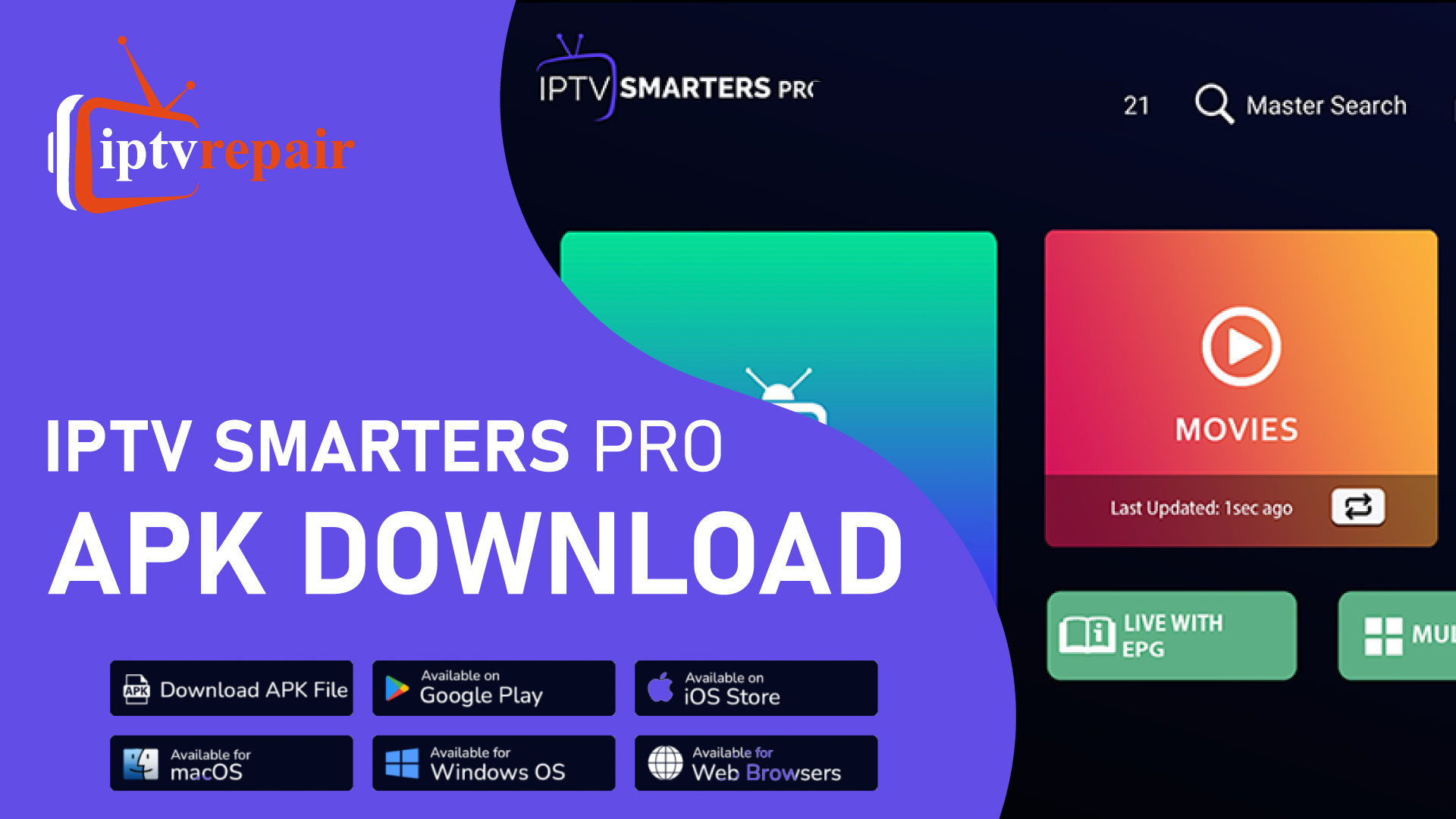
First is the hardware. You must have some hardware connected to your TV. The most common options are the Amazon Firestick, Nvidia Shield, or any number of generic Android TV boxes. These boxes can to run the necessary software and decode the video streams smoothly. Second is the software. It's not like a typical streaming site. You'll need to install an IPTV player app. Some of the best and most popular apps are TiviMate, IPTV Smarters Pro, and Perfect Player. You will enter the subscription details your provider gave you, such as an M3U playlist URL or Xtream Codes login details.
Crucial Tip: The very first thing you should do is install and activate a reliable VPN (Virtual Private Network). I consider this an essential step. A VPN encrypts your internet traffic, hiding your streaming activity from your Internet Service Provider (ISP) and ensuring your data is safe. For a guide on the best VPNs for streaming, #link# is a fantastic resource.
Navigating the Murky Waters of IPTV Legality
This is probably the most common question people have about IPTV, and the answer is not exactly black and white. The technology itself—delivering video over an internet protocol—is perfectly lawful. Legitimate corporations like Verizon Fios and AT&T U-verse use IPTV technology for their own television services. The trouble starts with the source of the content.
Many of the ultra-cheap IPTV providers you find online are not authorized resellers. They take and re-stream television channels from around the world without paying for the rights. Subscribing to a provider that offers pirated content is what can potentially get you into trouble. Authorities in many countries are cracking down on both the providers and, in some rare cases, the end-users. This is precisely why a VPN is a must-have; it keeps your viewing habits private from your ISP, which may be monitoring for such traffic.
Ultimately, the choice is yours to understand the laws in your country and the risks involved. If you want to stay completely above board, stick to verified and official streaming services. Should you decide to venture into the world of gray-market IPTV, be aware of the potential consequences. For more in-depth discussions on this topic, you can often find user communities at #naked_link#.
In conclusion, IPTV represents a massive shift in how we consume media. It presents a fantastic alternative and flexibility that traditional cable simply can't match. But, it does come with its own set of challenges, from technical dependencies to serious legal questions. By doing your homework, choosing a provider carefully, and taking the proper precautions like using a VPN, you can gain access to an incredible amount of content while cutting that expensive cable cord for good.